What Does a Brand Designer Actually Do? (And Why It's More Than a Logo)
Let's set the scene.
You're finally biting the bullet and making your business daydream your new reality. First - congratulations. This is a big deal. And if you're still on the fence, take this as a sign you're in the right place.
Now. What's one of the first things you want when you start a business? A LOGO. Because of course you do - who could blame you? Giving a face to your new business is one of the most exciting parts, especially while you're still figuring out the more technical stuff. And brand new business can mean a brand new (modest) budget. So naturally, the question becomes: how do I get the most out of the least?
What you lack in budget you more than make up for in excitement — so the instinct is to start with "how do I just get a logo?"
I get it. Truly. But asking for "just a logo" is a little like asking an interior designer for "just a couch" and expecting your whole house to look like a Restoration Hardware catalog. Or asking your trainer for "just arm exercises" and expecting a six-pack. The isolated thing isn't the thing — the system is the thing.
And that's exactly what a brand designer builds. Not a single file that ChatGPT can spit out and leave you hanging with — but a full visual foundation. The tone, the vibe, the way your business communicates when you're not in the room. When a brand is doing its job, you feel it before you can explain it. It's in the details. And that feeling? It's completely by design.
First — what even is a brand?
A brand isn't a logo. It's a feeling.
In the social media / life coach / founder era, words like brand, branding, and personal brand get tossed around like glitter. They've gotten a little watered down. So before we talk about what a brand designer does, let's make sure we're talking about the same thing.
Here's the real definition: a brand is the overall impression someone gets from your business — before they read a single word.
Think about the last time you visited a new website and made a snap judgment before the page fully loaded. The last time you chose a restaurant for a celebratory dinner because it was obvious the vibe would match the occasion. The last time you (ahem) judged a book by its cover - and were completely right to. That instant reaction? That's a brand working.
A brand is made up of three things working together:
Visuals — your logo, colors, fonts, graphic elements
Voice — how you sound, your personality, your tone
Consistency — showing up the same way, everywhere
Think of it this way: your visuals are your style (classic, vintage, rustic, modern) and your voice is your tone (edgy, witty, empathetic, warm). When those two things are clearly defined and working together, they become something uniquely you. That's what makes a brand recognizable — and more importantly, that's what makes it feel like something.
A brand is a feeling. And a brand designer's job is to engineer that feeling on purpose.
So what does a brand designer actually do?
Here's what's happening behind the scenes.
First: strategy and discovery.
Before a single design decision is made, we need a clear picture of who you are, who you serve, and what makes you genuinely different. And I mean specific. This is where most people sell themselves short.
Here's a real example of what I mean. Which of these two client descriptions would you rather design for?
Version One: "Married females in their 40s who want family photos they'll love."
Version Two: "A busy mom who loves her family and wants to capture them at this stage of life - even though she knows booking a family photoshoot will create a special kind of chaos. There's no sound she loves more than her kids' laughter, and she wants warm, candid photos that remind her of this time. She's put together, prefers dressed-down to formal, but still cares about how they look. She'd love a studio setting with natural light. Her family lives in Fort Collins, Colorado, and is comfortably middle-class. She shops at Madewell, Anthropologie, and Free People. Her daughter’s signature look is comboy boots paired with a tutu (the cuteness!). The family loves color, recently took up pickleball, and is fluent in sarcasm woven with love."
Can you feel the difference?
With the first version, you're putting something out there and hoping the right person notices. With the second, you and your dream client already know each other before she's even reached out. You can tell her the photoshoot will be fun because you're not a stuffy photographer — you'll laugh along with them, help ease the chaos of getting everyone ready, and offer opinions on their colorful outfit choices. She'll leave feeling like she made a new friend. You're creating warmth, nostalgia, a little silliness — and that starts with knowing exactly who you're talking to.
That's what separates a brand designer from someone who just makes things look pretty. We imagine the full picture first, then build the visual language to paint it.
Then: the visual identity.
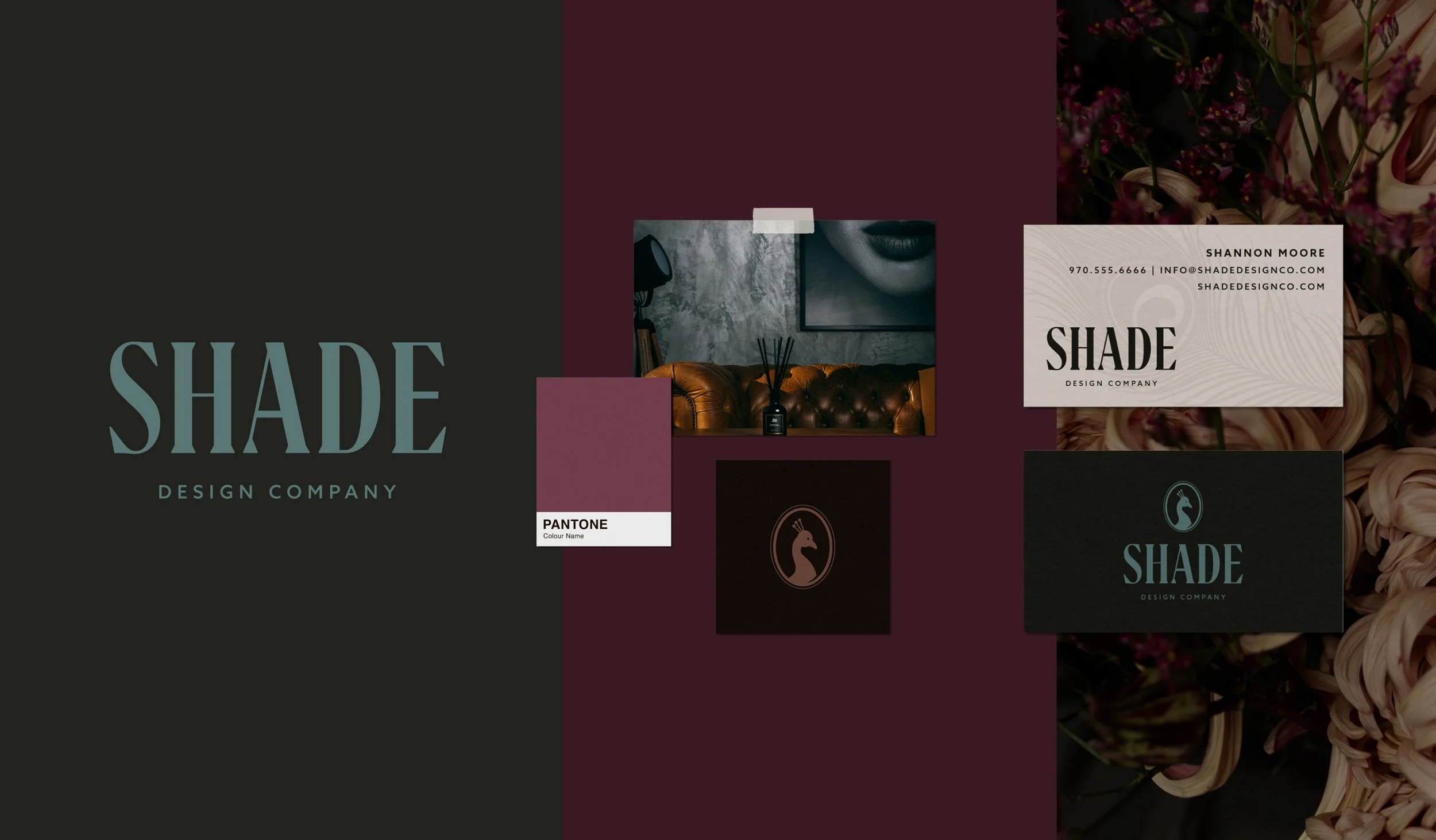
Once the strategy is solid, here's what you actually receive:
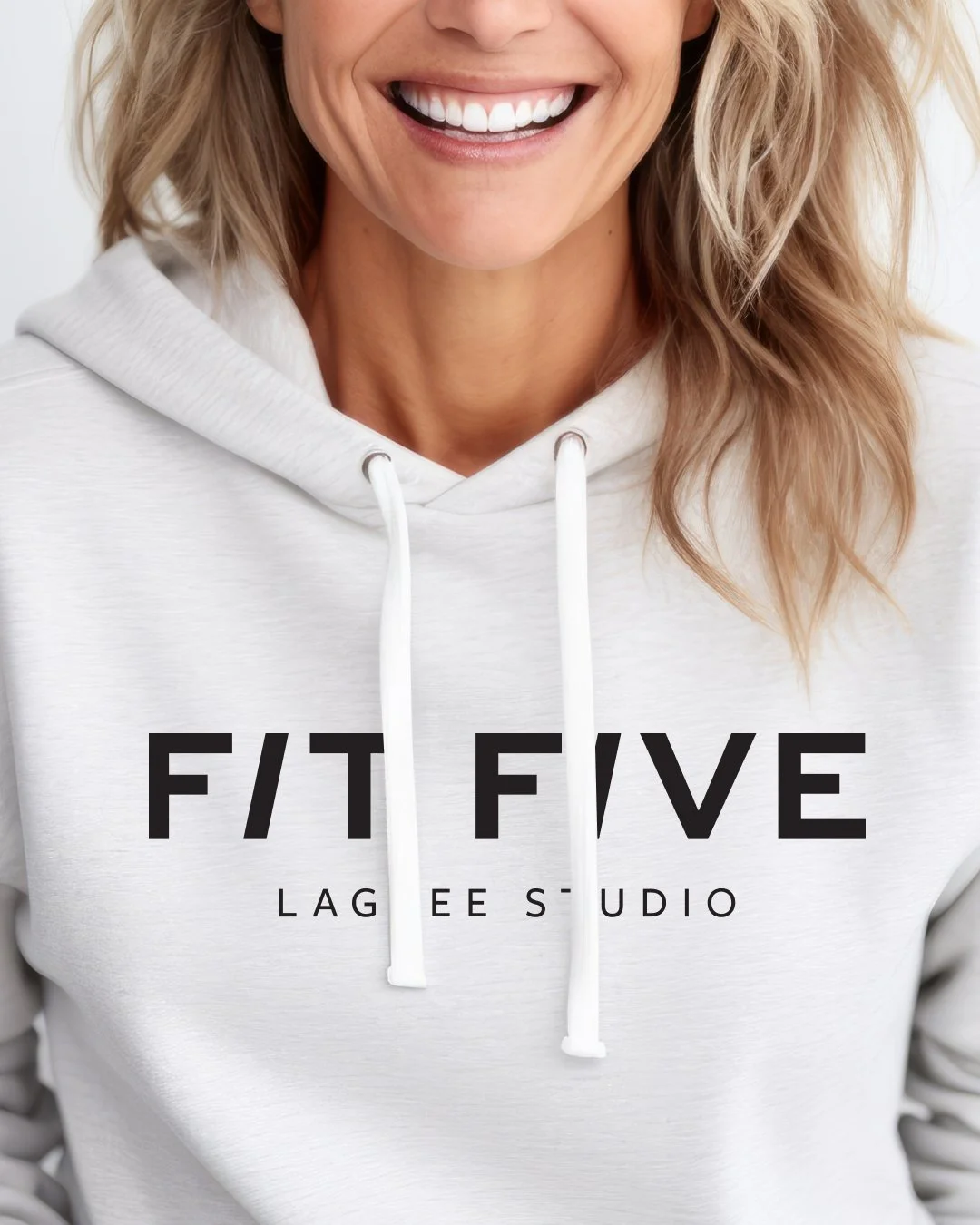
A full logo suite - primary logo, secondary logo, submark, and favicon. Not just one file.
A color palette chosen intentionally - not just because you like the color, but because it communicates the right feeling to the right person.
Typography - the fonts that carry your brand across every touchpoint, from your website to your email signature.
Supporting elements - patterns, textures, icons, and graphic details that make the whole thing feel complete and cohesive.
And finally: your brand standards.
Think of this as the rulebook that holds everything together. So that every future designer, every social media post, every email template - feels like you. It's what means you never have to start from scratch again, and you never have to guess whether something "matches."
What you walk away with isn't just a logo you tolerate. It's a brand you're proud to put in front of people - one that shows up consistently whether someone finds you on Instagram, gets handed your business card, or lands on your website at midnight.
And the number one thing clients say after the process, the benefit that surprises them most every single time?
Confidence.
What changes when your brand is working
Let's start with the big one - and I'll say it again because it bears repeating:
Confidence. In more ways than you might expect.
It gives you a newfound confidence in yourself, your business, and what you actually bring to the table. And for established businesses going through a rebrand? If you've been on the fence about raising your prices, let this be your nudge. I'll say it clearly: if you don't feel confident raising your prices after we work together, we didn't push it far enough. That's the whole point — to level you up.
And here's the other side of it: a strong brand gives your clients the confidence to buy from you. I genuinely believe that anyone who goes into business with real intention has something people already want to pay for. The missing piece is usually just getting in front of them — and looking the part when you do. When your brand projects exactly what your ideal client is looking for, that's not luck. That's the system working.
Beyond confidence, here's what else shifts:
You stop second-guessing every design decision. "Does this match my brand?" becomes an easy yes or no
Clients arrive already pre-sold on your vibe — before they've even said hello
You show up consistently across Instagram, your website, your business card, your email - and consistency is everything. As Elizabeth Arden said, "repetition makes reputation."
You feel genuinely proud to send people your link — no more "excuse my website" disclaimers
A real example of what this looks like in practice:
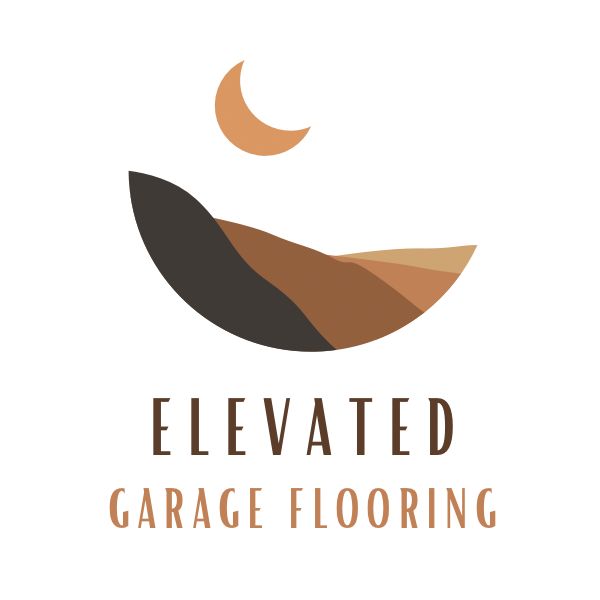
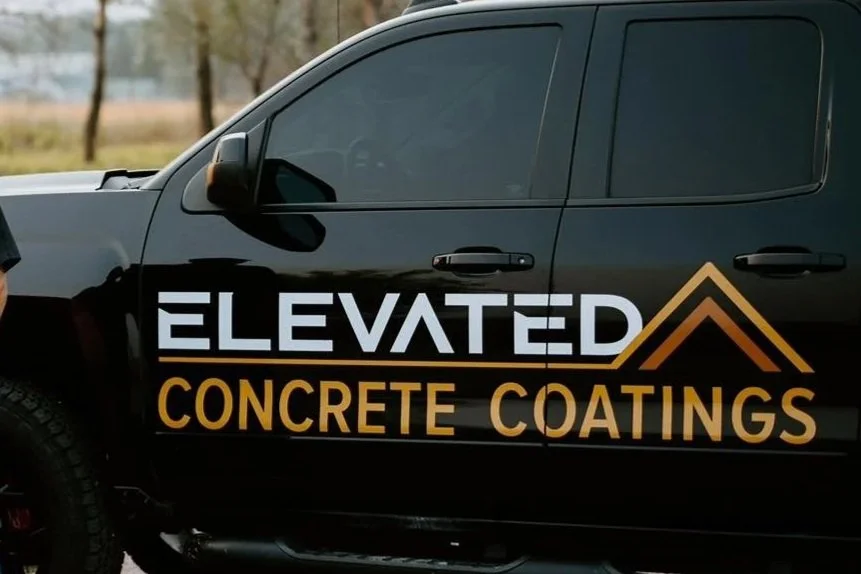
Take Elevated Concrete Coatings - a client who came to me with a perfectly fine Canva logo. Appealing enough on the surface, but it had a soft, feminine-leaning feel that wasn't doing her any favors in a heavy industrial industry. We replaced the soft edges with something more masculine and industrial - a brand that actually matched the scale of the work she was bidding on.
She has told me time and time again how much more confident she felt walking into bids for huge warehouse jobs after the rebrand. It sounds like a simple fix - take a logo that reflected her personal taste and make it appropriate for the industry — but it directly changed her ability to compete for and win contracts worth thousands of dollars.
That’s what a brand can do.
Before
After
Do you actually need a brand designer - or just a logo?
Honest answer: It depends on where you are.
Not everyone needs the full package right now, and I'd rather tell you the truth than sell you something you're not ready for.
If you're just starting out, testing the concept, working with a tight budget - a simple logo might genuinely be the right first step. Especially if you're an online business. The first 6–9 months will give you invaluable information about who your clients actually are, what you want your aesthetic to be, and what direction feels right long-term. Starting with just a logo keeps your options open while you figure that out.
The one exception: if you have a storefront, signage, uniforms, or vehicle wraps — anywhere with significant upfront printing costs — don't handcuff yourself to a logo you only kind of love. You'll end up printing everything twice, which more than doubles your initial investment. In that case, doing it right from the start is worth the cost.
If you're established, growing, and something feels off - this is exactly who a brand designer is for. You've got clients, you've got momentum, but your visual identity hasn't kept up with where you actually are.
If you've outgrown your DIY brand or your first logo - it's time. Not just a refresh, a real rebrand.
If you want to raise your prices or attract a higher-end client - your brand needs to match where you're going, not where you've been. Clients make assumptions based on what they see before they ever talk to you.
If your ideal client has evolved - maybe there's nothing technically wrong with your logo. But if your target audience has shifted and your brand no longer speaks to the right person, that's actually a great problem to have. It means you know your business better than ever, and growing into the next version is the natural move.
If you're about to launch a new website - the brand should always come first. Always.
So. Can I just make you a logo?
Now you know — that's not quite the right question anymore.
Sometimes a logo is the right starting point. But if the goal is real impact, building a brand from the ground up is what gets you there.
Ready to see what that looks like? Here's everything included in the Brand Essentials package →
Just want to chat and hear an honest opinion about the best direction for you? Consultation calls are always complementary - and always welcomed by me. Schedule one here.