Small Business Branding on a Budget: Before You Spend a Dime on Branding, Read This
The beginning stages of business ownership are a heady combination of excitement, nerves, and a budget with more demands than dollars to fill it.
Before you've made your first dollar, you're already fielding expenses: an LLC filing, a business bank account, liability insurance, a bookkeeper, a website domain, and, depending on your industry - a commercial lease, equipment, inventory, or licensing fees. And somewhere in the middle of all of that, people start telling you what you absolutely need: a logo, a website, business cards, professional photos, branded packaging, social templates, a brand guide...
[breathe.]
A logo tends to be one of the first things new business owners start researching - and honestly, that makes sense. It's exciting. It makes the whole thing feel real. But suddenly there are a hundred price points, a hundred opinions, and a hundred people trying to sell you something. It's noisy. And expensive-feeling. And genuinely confusing.
After years of working with small business owners across the country, I've seen what moves the needle and what doesn't. This is my honest, no-agenda take on where to put your money — and where to save it.
The paradox of branding
It feels urgent AND overwhelming at the same time. Everyone has an opinion, and most of them are trying to sell you something. This is the no-agenda version — what actually moves the needle for small businesses, and what genuinely doesn't.
Where your money actually goes to work
When you're building a business on a lean budget, you want investments that are either immediately necessary or have a real long-term payoff. These hit both.
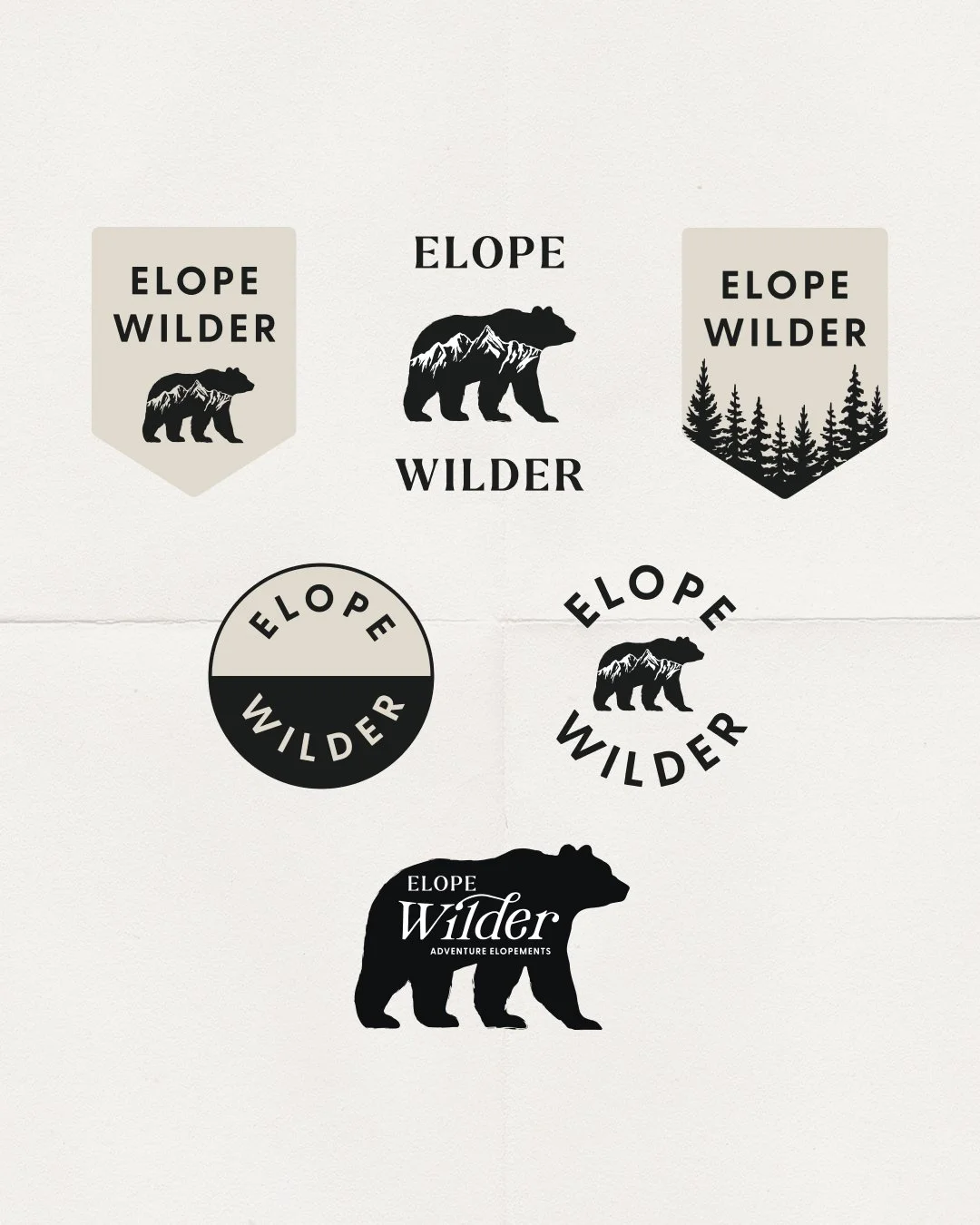
1. A complete brand identity system - not just a logo - and the timing I suggest may not be what you expect
Here's something I tell clients all the time that tends to surprise them: you don't have to have your brand fully locked in before you start making money.
Especially in those first few months, it's okay to start scrappy. Print 200 quick business cards. Get clients in the door. Learn how your business actually runs — what your touchpoints with clients look like, what you naturally say about your work, what kind of experience you're creating. All of that becomes invaluable input when you do sit down with a brand designer. Starting without it often leads to a lot of expensive guessing - and perfection paralysis.
That said -
If you're planning to invest in signage, staff uniforms, printed marketing materials, or vehicle wraps from the start, don't sleep on professional branding. Waiting will either lock you into something you don't love or cost double to redo later.
When you're ready, here's what to look for: a full identity system, not just a logo file.
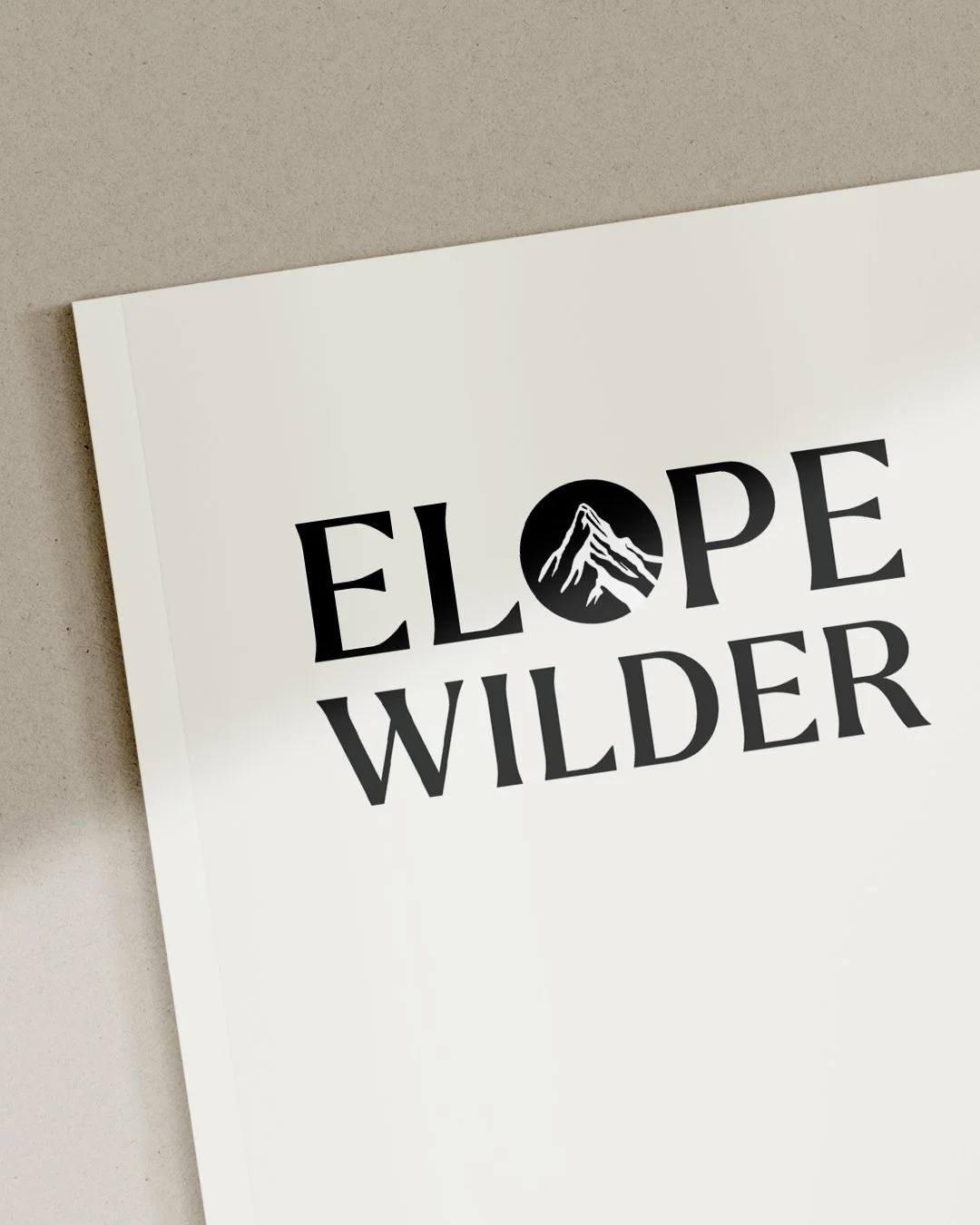
The logo is the entry point, not the destination. A complete brand identity includes your logo suite, a color palette, typography, and clear guidance on how to use all of it together. The consistency payoff is real — showing up the same way everywhere builds trust faster than almost anything else you can do. (This is exactly what my Brand Essentials package is designed around.)
→ Related read: What Does a Brand Designer Actually Do?

2. A professional website
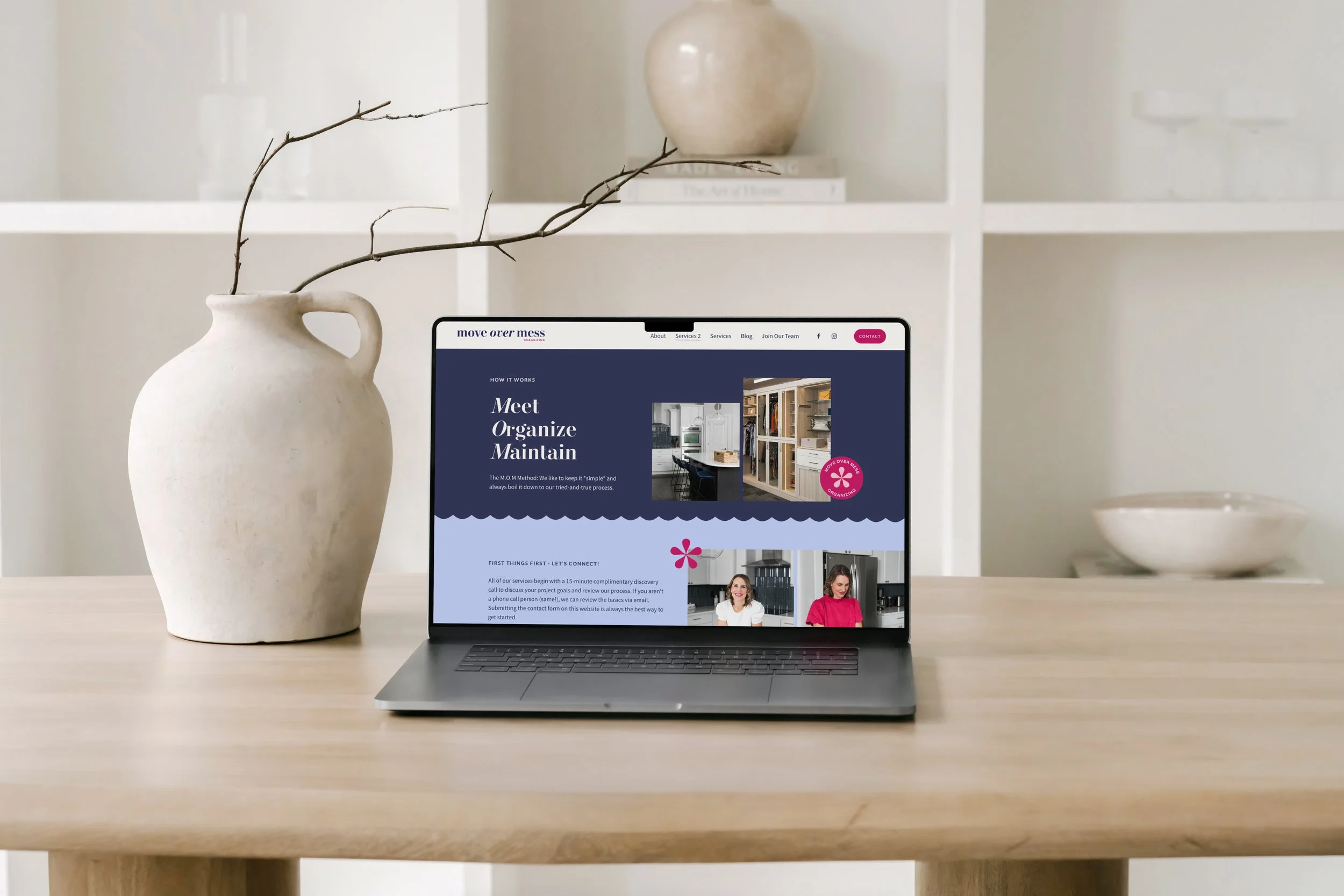
We live in a world where people Google everything before they pick up the phone. If someone goes looking for you and finds nothing but a Facebook page, you've already lost the sale — not because of your work, but because of the impression.
Your website is your hardest-working employee. It's there at 11pm when a potential client is finally sitting down to do their research. It answers questions, shows your personality, and builds trust before you've ever exchanged a word. A website that does all of that well is an investment - and a great one at that. A website that just technically exists is an expense.
This is where going cheap tends to be very expensive in the long run.
3. Brand photography
I know, I know — you hate having your photo taken. Most people do. But people do business with people, and they want to see you. Not because they're judging you, but because human faces build connection in a way that no logo or color palette ever can (and this is your brand designer talking!).
Photo quality registers at a subconscious level. One great headshot is worth infinitely more than twelve mediocre ones. And if you have a physical storefront, practical photography of your space matters too — people want to know what to expect before they walk through the door.
Stock photography has its place (I use it, too). But real photos of you and your space do something stock can never do: they remind people there's an actual human behind the brand. Not to mention - unless you’re a content creator - one well-planned photoshoot should last you several years.
4. Your brand voice and copywriting
The visual side of branding gets all the attention, but how you sound is just as important as how you look. A lot of small businesses are visually beautiful and say absolutely nothing — or worse, sound like everyone else in their space.
Your voice is what keeps someone on the page. It's what makes them feel like they found the right person. Investing in copywriting — whether that means working with a writer or going through a guided process to find and articulate your own voice — is one of the highest-return things you can do for your brand. If you're curious about how I approach that, here's how the collaborative process works.
The middle ground - nice to have, not make-or-break
These aren't bad investments. They're just not urgent. Spending here before you've locked in the fundamentals is getting ahead of yourself.
1. Brand merch & printed materials beyond business cards
Stickers, tote bags, custom packaging — all of it can be wonderful and very on-brand. But it should come after you have a brand worth putting on things. Exception: if physical product is your business, packaging isn't optional. It's fundamental.
2. A second photoshoot or ongoing content creation
Genuinely valuable once you're established and growing. Premature if you're still figuring out your direction — you'll likely pivot, and the content won't age well.

Where small business owners consistently lose money on branding
1. Cheap logo mills & AI-generated logos
Not because they're always ugly. But because they leave you with a file and nothing else — no strategy, no system, no guidance on how to use it. You'll outgrow it faster than you think, and remaking it later will cost more than doing it right the first time would have. I talked about this in more depth in my last post - the temptation to shortcut brand design is real, and it's worth a read before you go looking for a quick fix.
2. Rebranding too soon
Some businesses refresh their look every 18 months chasing a new aesthetic. Here's the thing: consistency builds recognition. You have to give a brand time to actually work before you decide it isn't working. Caveat: there are legitimate reasons to rebrand — a meaningful pivot, a shift in audience, a business that's genuinely outgrown its identity. "I'm a little bored of it" isn't one of them.
3. Buying things in the wrong order
Website before brand = building a house without a blueprint. Fancy packaging before you know your customer = guessing in an expensive direction. Social media presence before you know what you stand for = a lot of noise that doesn't convert to anything.
4. Hiring too many different people for different pieces
One designer for the logo, a different one for the website, a third for social templates. The result is rarely cohesive — and you end up paying for that lack of cohesion later, either in a full rebrand or in the slow, subtle way inconsistency erodes trust over time.
A quick gut-check before you spend anything
Before any branding investment, run through these three questions:
Do I know who I'm trying to reach? Branding before clarity is putting the cart before the horse.
Am I building something I plan to grow — or still testing the concept? If you're still testing, lean is okay.
Would I be embarrassed to hand someone my card or send them to my website right now? If the answer is yes, that's your answer.
One more thing:
If you can't describe what you want the outcome to look and feel like, you're not ready to hire anyone yet - and that's okay. Spend time writing about the brand experience first. Hate writing? Make a voice memo. Use voice-to-text. The goal is to be able to articulate who your clients are, what the style of the business is, and what experience you want people to have. Without that clarity, the branding process gets muddy fast — for you and for whoever you hire.
And get to pinning! Start a Pinterest board and go broad — pin anything that pulls you in. Then step back and observe the themes. Narrow your focus until a real, specific style starts to emerge. It makes every conversation with a designer about a thousand times more productive.
Final Thoughts
Here's what I want you to walk away with: branding isn't a box to check.
It's a foundation - and the businesses I've watched grow confidently over the years are almost always the ones who got that foundation right early and then stayed consistent with it.
You don't have to do everything at once. You don't have to spend more than you have. But knowing where to put your energy, and in what order, changes everything.
If you're ready to figure out what that looks like for your specific business - whether it's a full brand identity, a new website, or just a conversation about where to start - I'd love to help you get there.