How AI Changed the Branding Landscape in 2025 — And What It Can’t Replace
Why AI Can’t Replace a Brand Designer — And Why 8/10 New Clients Tell Me the Same Story
It’s no secret that AI-generated tools have exploded in popularity in the past year. Even the less-savvy computer user has started to experiment with the tools, and it’s quickly becoming a part of our everyday lives. Logo design and branding were no exception.
The interesting trend in my world? By mid-2025, many business owners try them before reaching out to a designer.
Before 2024, almost none of my clients came to me after trying AI for their logo. Now, 8 out of 10 inquiry calls start with the same line:
“I was playing around in AI and I tried to make my logo… but it didn’t work. I’m ready to do this the right way.”
The call would carry on with the client joking about how awful the results were and how it so clearly illustrated that they needed a better solution.
This shift reflects something important about the current landscape:
AI has entered the branding space in a big way.
But it hasn’t replaced brand design — if anything, it has clarified the value of it.
Below is a breakdown of where AI tools fall short, and what experienced, human-led design still brings to the table.
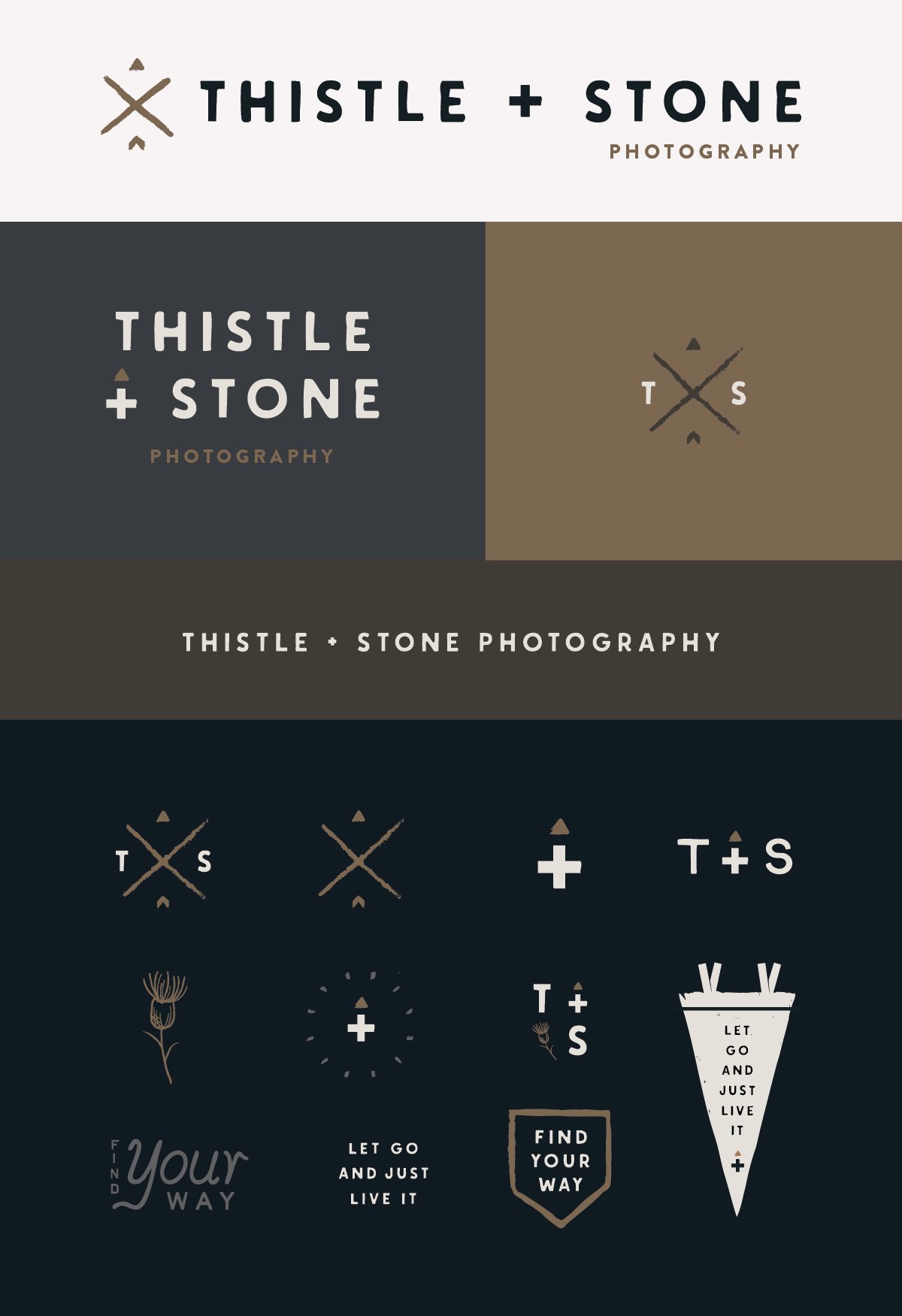
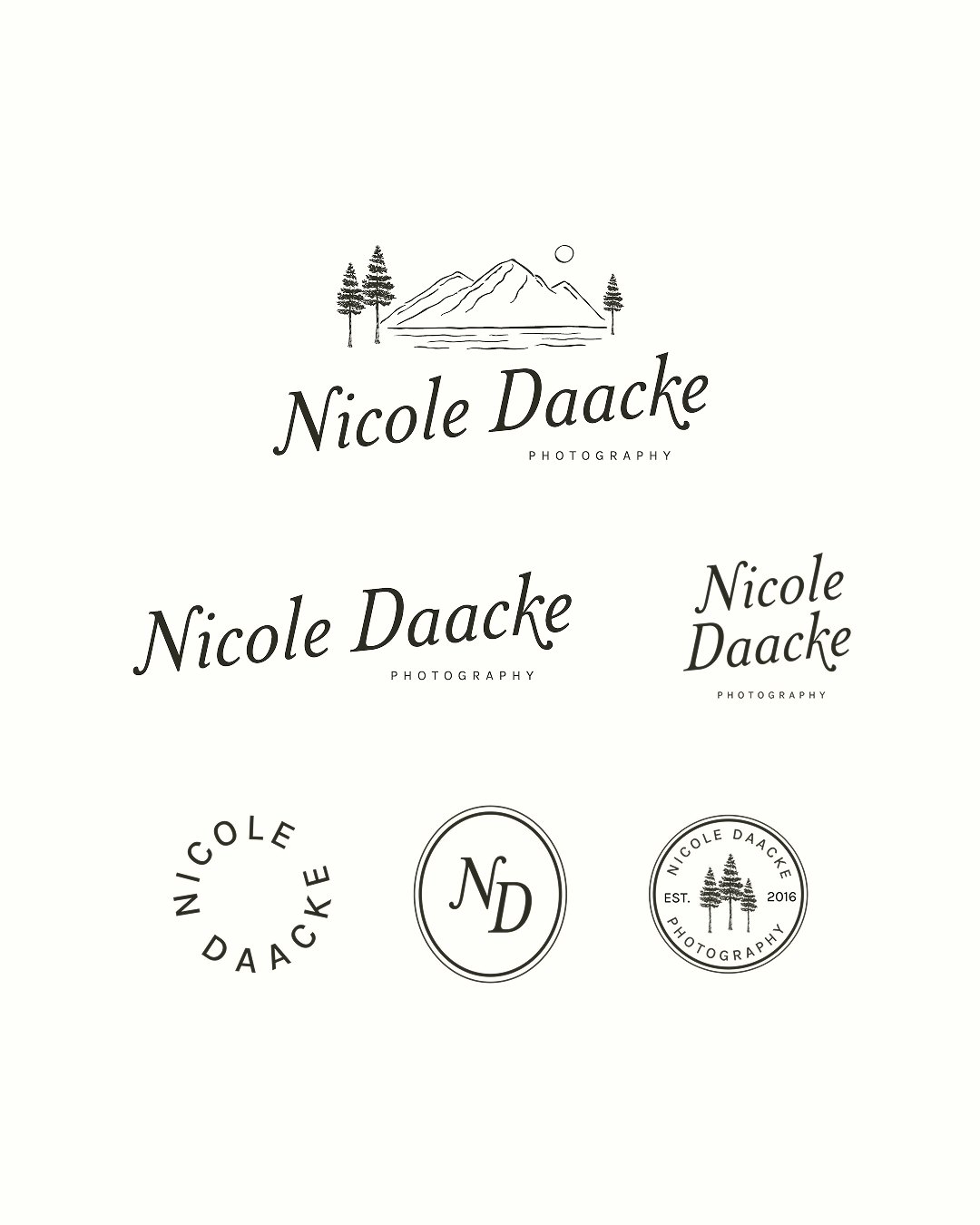
A fully conceptualized logo suite for an elopement photographer including logo composition variations, tagline options, and a collaborative design process
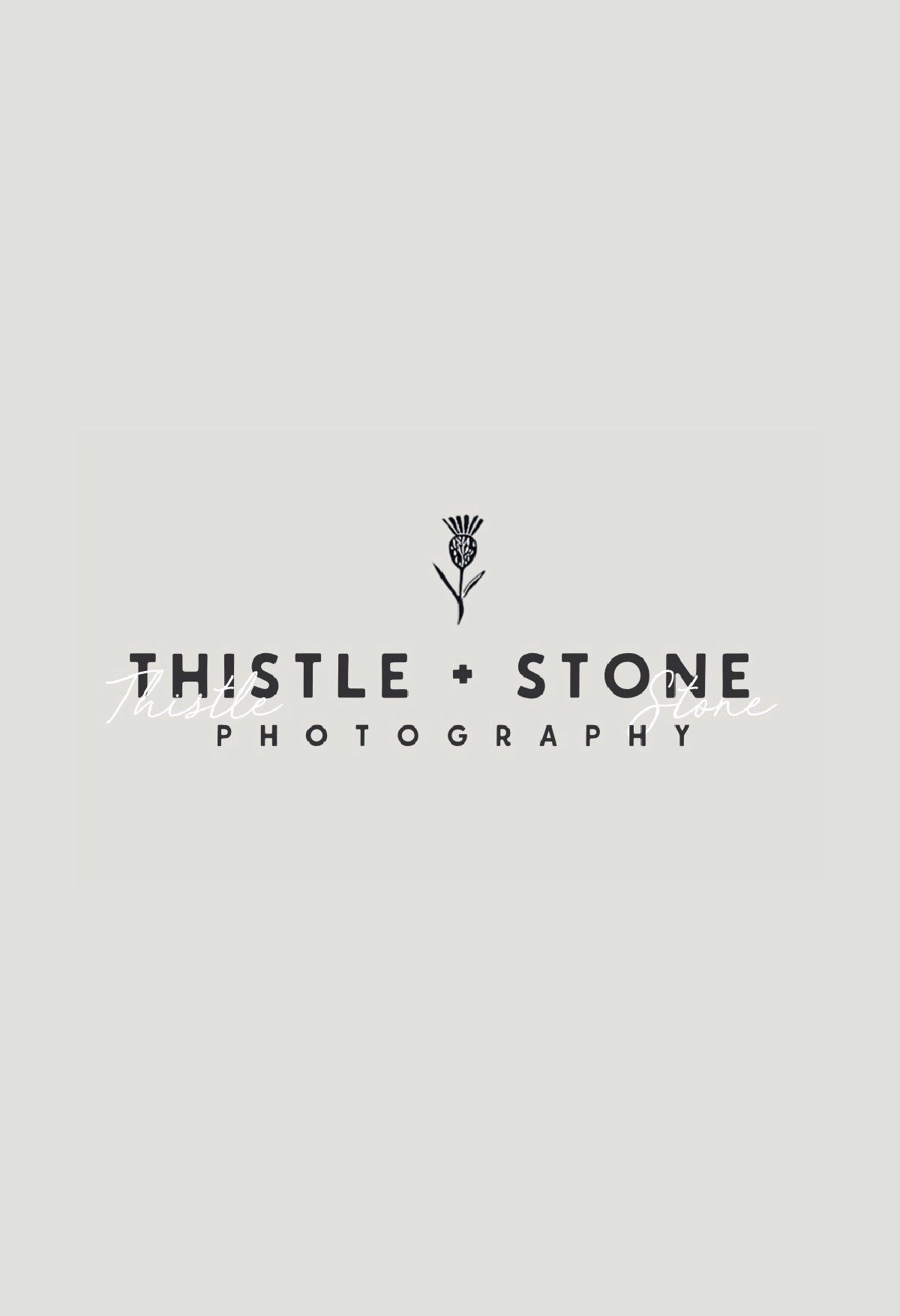
The ChatGPT verison of the same logo - yes it provided the name twice with script on top of the other text. You can even see that the font was close - but this wouldn’t have been a strong choice to build a whole brand with.
Where AI Branding Tools Fall Short
Problem 1: AI requires precise prompts. Brand strategy requires interpretation.
While AI tools offer impressive speed and unlimited visual output, they are fundamentally missing the core elements that make branding effective — not just attractive. And that’s why I’ve started to hear the same summary of the AI experience in every inquiry call.
Most business owners don’t come to the branding process with a fully articulated vision - and AI can’t interpret nuance or partial ideas.
Clients come with:
a few words
a mood they can feel but can’t describe
“I like this, but not that”
Pinterest boards with conflicting styles
Problem 2: It confuses “aesthetic” with “identity”
AI can generate visuals that look professionally produced (kind of) , but it has no understanding of:
positioning
audience psychology
market differentiation
long-term brand cohesion
tone, personality, or industry nuance
Branding isn’t just how something looks — it’s what it communicates.
Problem 3: It cannot build a cohesive system
A brand identity is a system, not a single logo.
It includes:
typography
color strategy
alternative marks
layout rules
photography direction
messaging tone
web application
consistency across platforms
AI tools generate isolated assets, not systems with intentional structure.
Problem 4: AI output often feels generic or mismatched
This is the reason I hear most often. Clients describe AI-generated branding as:
close, but not right
pretty, but not aligned
good, but not them
AI can replicate what already exists. It cannot innovate based on your differentiation. It can’t be clever. And honestly, it can’t think outside of the box.
Think about this example. Say you wanted AI to generate a wine label for you. I bet the next thing you will see is a label with a Papyrus-looking font and…grapes. But go to the wine aisle and see endless examples of inspired branding that bring a point of view, something that makes you pick up that bottle. It has a story. To get that kind of result with AI, you would need to know what you want the end result to look like before you get started.
5. No tool can replace guided clarity
A large part of brand design is helping clients figure out what they actually want.
AI can ask follow-up questions - but it can’t spot the holes that an experienced designer can.
AI can’t sense confusion or hesitation.
AI can’t push for clarity.
But designers can - and do.

The Solution: What Professional Brand Designers Bring to the Table
Amid the rise of AI, human design hasn’t become less relevant — it’s become even more valuable. Here’s what experienced designers uniquely offer:
1. Strategic Interpretation
Designers translate abstract ideas into a clear direction. I’ve often joked that my job isn’t actually designing, it’s interpreting. Taking verbal descriptions and turning them into a visual representation of your company isn’t a formula and can’t be data-mined. This is not something AI can replicate — because it requires context, emotional intelligence, and judgment.
2. Expertise in audience communication
A designer understands:
who your clients are
What resonates with them
What turns them away
How your brand needs to show up in order to win trust
This level of insight is developed through years of experience, not datasets.
3. A cohesive brand foundation - and files you can actually use
Professional design produces:
a clear visual language
consistent elements
intentional hierarchy
cross-platform compatibility - aka you won’t be stuck with one jpeg and have to base an entire company around it
long-term usability
This is the difference between “a logo” and “a brand.”
4. Differentiation, not duplication
AI is trained on what already exists. Designers create what doesn’t.
A human-led process identifies your unique story, strengths, and tone — and expresses them visually.
5. Guidance, clarity, and support
One of the most underrated benefits of hiring a designer is the clarity it brings.
Designers help you make decisions, prioritize direction, and remove the guesswork entirely.
This structure alone can move a business forward months (or years) faster.
Final Thoughts: AI is a Tool — Not a Replacement
AI will continue to evolve. It will continue to assist creatives. It will continue to help business owners experiment.
But as of 2025, one thing is clear: AI cannot replace the strategy, nuance, interpretation, or relationship-driven clarity of professional brand design.
If you’ve tried AI branding tools and still feel like something is missing, that’s not a failure — it’s a sign you’re ready for a human-led process.
A brand isn’t just a graphic - It’s alignment. It’s clarity. It’s identity.
And it’s one of the most valuable investments a business can make.
Have you had your own AI logo fail? I’m here for you!